Guide · 5 min read
What Is Nagaland Famous For? 12 Things, Honestly Ranked
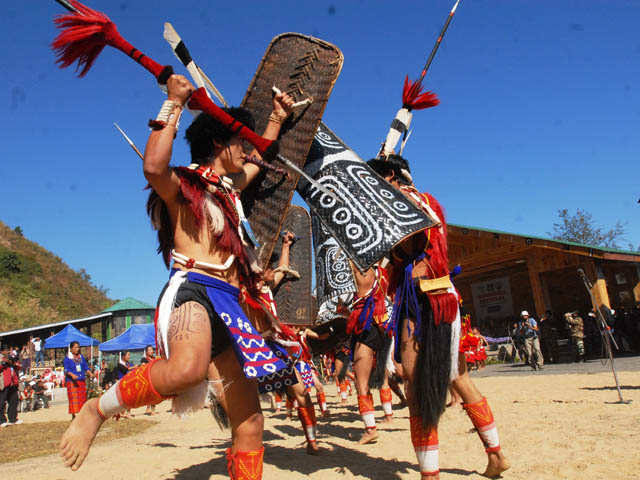
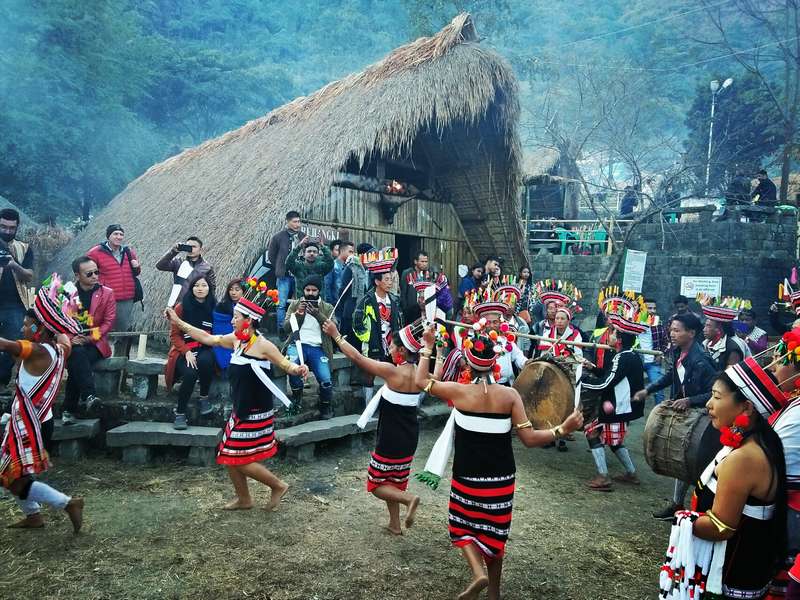
Nagaland is famous for one festival, seventeen tribes and a bird. The Hornbill Festival puts all of it in one arena every December 1–10, but the state’s real fame is cultural: living tribal nations, the last generation of headhunters, and hills that stay green through winter.
The twelve, ranked
- Hornbill Festival: all tribes, one arena, ten days. The reason most visitors come.
- The seventeen tribes: languages, shawls, festivals; meet them properly.
- Konyak headhunter villages: Longwa, where the chief’s house straddles India and Myanmar.
- Dzukou Valley: the valley of flowers of the East. Trek guide.
- Khonoma: Asia’s green village, conservation pioneer. Guide.
- Naga food: smoked pork with axone, bamboo shoot, the food glossary decodes it.
- The Kohima War Cemetery: the 1944 battle that changed the Burma campaign.
- Log drums and folk dances: village festivals year-round, month by month.
- Doyang falcon roost: a million amur falcons each October-November.
- Tribal textiles: every shawl a story; buy at Kisama, not airports.
- Moatsu, Sekrenyi and the harvest festivals: the calendar the state lives by.
- The people: English-speaking, warm, direct. The worth-it guide is honest about it.
Quick answers
What is Nagaland famous for? The Hornbill Festival, its seventeen tribes, Konyak headhunter history and Dzukou Valley.
What is unique about Nagaland? Tribal nations living modern and traditional at once, protected by Article 371A.
Is Nagaland worth visiting? Yes, especially December’s festival week. The honest case.
Fame is the brochure; the villages are the story. Message us.
Planning a trip like this?
We build itineraries around your dates, group and budget, a real person replies with an honest price.