Guide · 8 min read
Festivals of Nagaland, the complete calendar
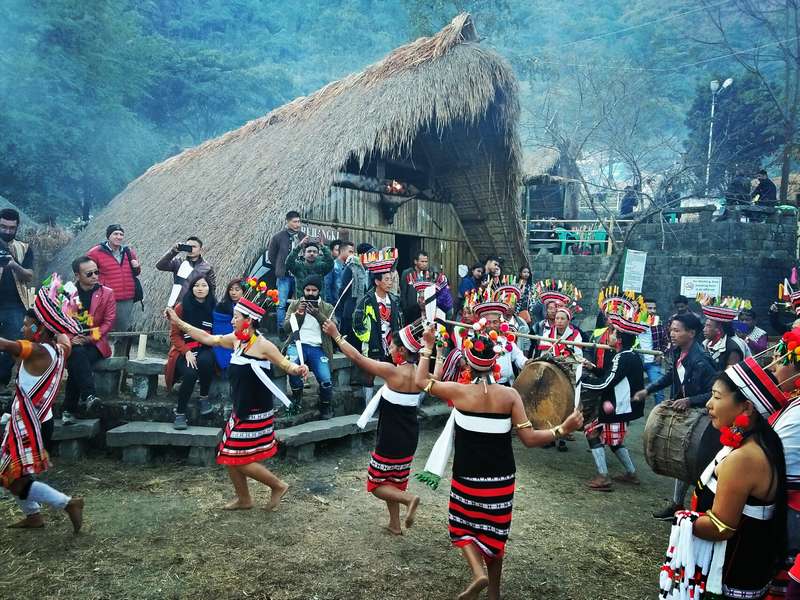
Nagaland runs on its festival calendar. The state recognises sixteen-plus tribes, and nearly every one keeps its own festival, tied to harvests, initiations and the agricultural year. The famous one is Hornbill in December, where all of them gather in one arena. The rest are quieter, held in the villages, and they are the ones worth travelling for.
Quick answer: Nagaland’s major festivals are Sekrenyi (Angami, February), Kachari Bushu (Kachari, January–February), Aoleang (Konyak, first week of April), Moatsü (Ao, first week of May), Tsükhenyie (Chakhesang, May), Tuluni (Sümi, July), Naknyulem (Chang, late July–August), Metemneo (Yimkhiung, August), Yemshe (Pochury, October), Tokhu Emong (Lotha, early November) and the Hornbill Festival (all tribes, December 1–10 at Kisama). Village dates shift with local calendars, always confirm before you travel.
The calendar, month by month
January, Bushu (Kachari)
The Kachari communities mark the end of the harvest with Bushu, cattle ceremonies, feasting and community dances. Celebrations fall in January (and some villages in December–February). Small, local, generous with food.
February, Sekrenyi (Angami)
The Angami purification festival, usually late February. Traditionally a cleansing ritual after the harvest, men bathe at the village well, and the days that follow carry feasting and dance. Kohima’s Angami villages celebrate within easy reach of the capital.
April, Aoleang (Konyak)
The Konyak festival of spring, held in the first week of April in Mon district, the tattooed-headhunter country of eastern Nagaland. Aoleang greets the planting season with dance, log drums and processions in full ceremonial dress.
May, Moatsü (Ao) & Tsükhenyie (Chakhesang)
The Ao villages around Mokokchung celebrate Moatsü in the first week of May, three days of dance, folk song and community feasting after sowing. The Chakhesang keep Tsükhenyie in the same season, with ritual competitions and harvest blessings.
July, Tuluni (Sümi)
The Sümi festival of midsummer (around July 8), marking the height of the agricultural year. It is the most social of the village festivals, betrothal traditions, community meals and dancing that runs long into the evening.
July–August, Naknyulem (Chang) & Metemneo (Yimkhiung)
The Chang keep Naknyulem in late July or August, a festival of lights after dark, with houses lit and games through the night. The Yimkhiung follow with Metemneo in August, honouring the dead and blessing the harvest.
October, Yemshe (Pochury)
The Pochury villages celebrate Yemshe in October, the “feast of riches,” where the harvest is gathered, debts are settled and the community eats together before winter.
November, Tokhu Emong (Lotha)
The Lotha harvest festival in early November, marking the close of the agricultural year with thanksgiving, dance and the passing of stories to the young. By the last week of November, the state begins to move toward December.
December 1–10, the Hornbill Festival (all tribes)
The gathering of everything above: every tribe, one heritage village, ten days. Held at Kisama outside Kohima since 2000. Mornings are arena performances; afternoons belong to the morungs; evenings move to the night carnival and rock concerts in town. Our Hornbill packages run from ₹3,999 per person, all-inclusive.
How to plan around them
- December is the easy one, fixed dates (1–10), one venue, all tribes, full festival infrastructure.
- The village festivals (February–November) have no fixed published dates, they follow community and lunar calendars. This is intentional and part of their character.
- The way to do them is to build a trip around a region, Mon for Aoleang, Mokokchung for Moatsü, Wokha for Tokhu Emong, and stay a couple of extra days for what you find when the ceremony ends.
- We plan festival-first trips all year. Tell us which one caught your eye and we’ll confirm dates and build the route.
One honest note: dates above are the traditional seasons. Villages shift days year to year, we verify on the ground before any trip is confirmed.
Planning a trip like this?
We build itineraries around your dates, group and budget, a real person replies with an honest price.