Guide · 4 min read
The Mishmi People: Idu, Digaru and Tawra of Arunachal's East
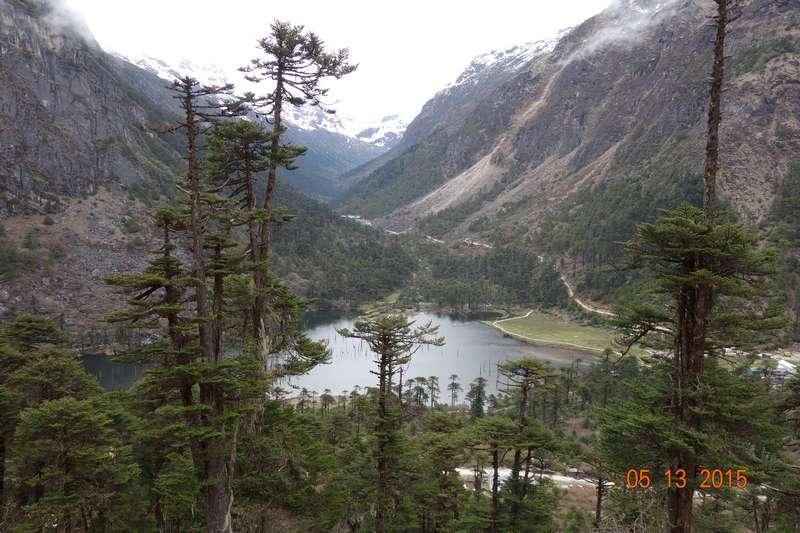
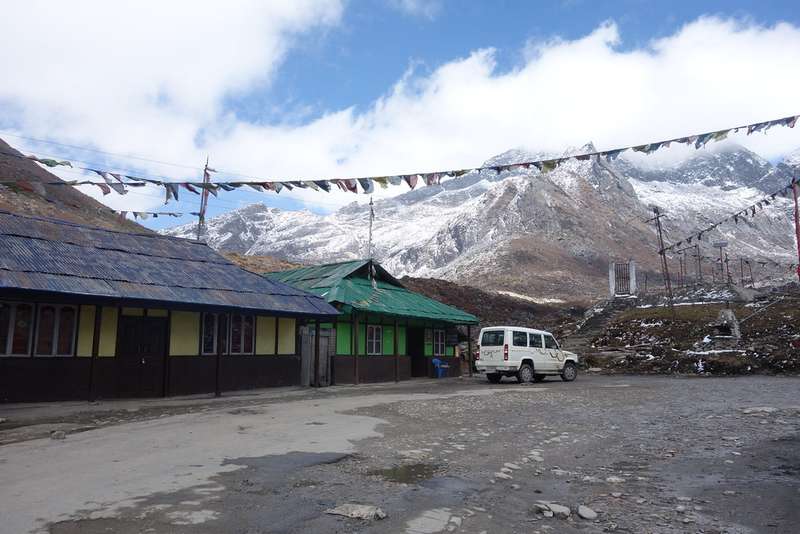
“Mishmi” gathers three related peoples of Arunachal’s far east: the Idu Mishmi of the Dibang Valley, and the Digaru and Tawra Mishmi of the Lohit and Anjaw hills. Theirs is the state’s most remote inhabited corner, the country of wild rivers, the Mishmi hills endemics that birders fly in for, and Anini at the end of the road.
The Idu and Reh
The Idu Mishmi, the main community of Dibang Valley around Anini and Roing, keep Reh, their principal festival, in the new-year window of early February: prayers for prosperity, community feasting, and dance lines in cloud-wrapped valleys. Reh is the easiest honest reason to attempt the long drive: the Anini guide is clear-eyed about the road.
Digaru and Tawra
The Lohit-side Mishmi communities farm the valleys around Tezu, Hayuliang and Hawai, along the old routes toward Walong. Their hills hold the old salt trails and some of India’s least-crowded mountain roads.
The birding magnet
The Mishmi Hills are a global birding legend: the Mishmi wren-babbler and its endemics live in these forests, and small guided birding groups run through the winter. It is specialist travel: cold mornings, basic stays, extraordinary lists.
The honest travel note
This is ILP territory (permits), long drives, thin phone signal and stays that are simple by city standards. Go with operators who run these roads, in daylight, with buffers.
Quick answers
Who are the Mishmi people? Three related communities of eastern Arunachal: Idu, Digaru and Tawra Mishmi.
What is the Mishmi festival? Reh, the Idu Mishmi festival, in early February.
Where do they live? Dibang Valley (Anini, Roing) and the Lohit-Anjaw hills (Tezu, Hayuliang, Hawai).
The deep east, done right: message us.
Planning a trip like this?
We build itineraries around your dates, group and budget, a real person replies with an honest price.