Guide · 5 min read
Tawang beyond the monastery, hidden places, cafés and where locals eat
Quick answer: Most Tawang trips = monastery + War Memorial + lakes day, done. But the town rewards a slow extra day: Urgelling Gompa (the 6th Dalai Lama’s birthplace site, usually empty), the Giant Buddha statue’s evening calm, PT Tso beyond the main viewpoint, the old bazaar’s cafés and bakeries (Tibetan Bakery-era legacies), and the war memorial’s light-and-sound evening. Here’s the second-day Tawang.
The quiet places
- Urgelling Gompa, a few km below the main monastery; the birthplace site of the 6th Dalai Lama. Small, pine-shaded, usually silent. Morning light through the pines beats any queue.
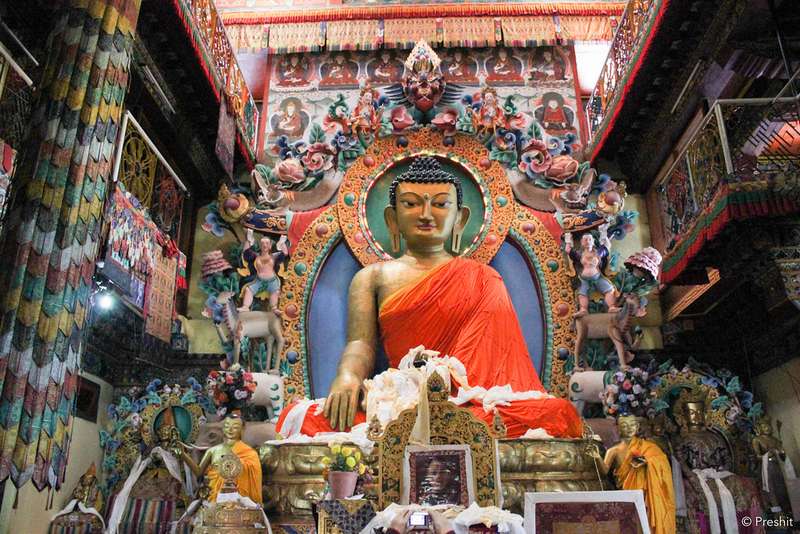
- The Giant Buddha statue, everyone drives past it for the monastery; the statue’s terrace at dusk, with town lights coming on below, is the better moment.
- PT Tso beyond the crowd, Pangateng Tso gets tour vans mid-day; walk ten minutes past the main bank and the shoreline empties completely.
- Tawang War Memorial at evening, the 2,420 names hit differently at the light-and-sound show; go for the closing ceremony.
Cafés, bakeries and where locals eat
Tawang’s food scene runs on Tibetan-monastery lines: thukpa and momos at the bazaar’s small kitchens, bakeries (a Tibetan-refugee legacy, fresh bread and cinnamon rolls that surprise first-timers), butter tea for altitude mornings, and the markets’ churpi (hard yak cheese) for the road. Ask your homestay where they eat, the answer is never the tourist-facing restaurant.
Structure your extra day
Morning: Urgelling → walk to the Giant Buddha. Midday: bazaar lunch + bakery run. Afternoon: PT Tso slow walk. Evening: War Memorial ceremony. This is the rhythm our Tawang package builds in, the monastery is the headline, but the second day is why people return. Plan yours: WhatsApp.
Planning a trip like this?
We build itineraries around your dates, group and budget, a real person replies with an honest price.