Guide · 6 min read
Naga folk dances, every famous dance of Nagaland, and where to see them
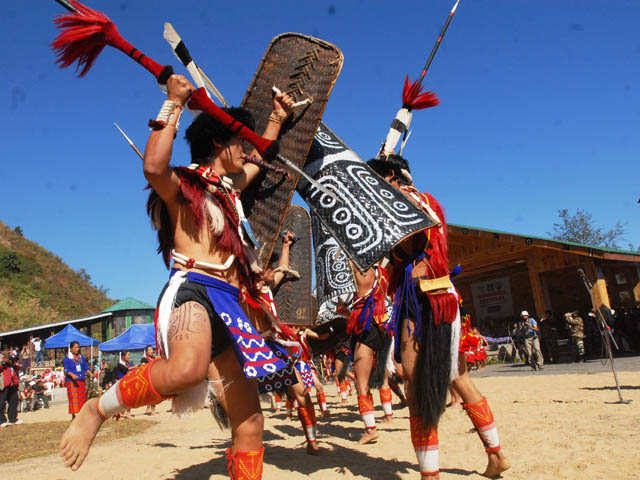
Quick answer: There is no single “Naga folk dance”, each tribe keeps its own. The best-known are the war dances (spear and shield, performed by several tribes), the Changlo/Changsu dance of the Chang tribe, the Zeliang dance of the Zeliang people, the graceful bamboo dance of the Phom, and the group harvest dances of the Ao and Angami. Almost all of them share a stage at the Hornbill Festival every December.
What Naga dance actually is
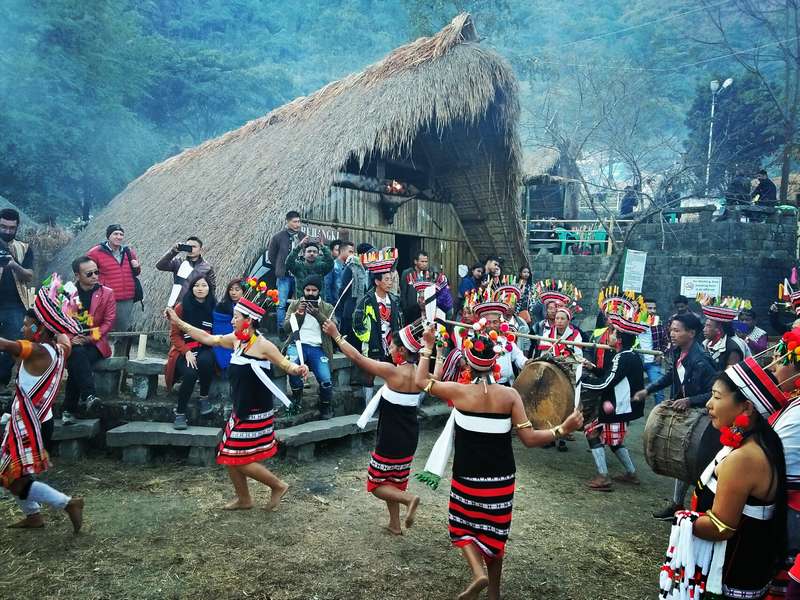
Naga dance is communal, not ornamental, dances grew out of war preparation, harvests and feasts of merit, performed in lines or circles with the whole village joining. Steps are strong and grounded; the formation matters more than the soloist. Men typically carry spear, dao (machete) or shield; women move in single file, shawled, often with subtle, synchronised side-steps and song.
The famous dances, tribe by tribe
- War dance (multiple tribes), the image most people picture: spears raised, war cries, mock charges and the whole troupe collapsing into a crouch in unison. Konyak and Ao troupes are especially commanding.
- Changlo / Changsu (Chang), a vigorous line dance of the Chang tribe of Tuensang, performed at festivals with full traditional dress and hornbill-feather headgear.
- Zeliang dance (Zeliang), graceful, flowing group formations from Peren district, often with the chain-formation the Zeliang are known for.
- Bamboo dance (Phom), dancers weave between clapping bamboo staves, in the broader Northeast family of bamboo dances.
- Ao and Angami harvest dances, gentler, song-led group dances celebrating the agricultural year; the famous “milkmaid-like” file dances of the west.
- Konyak log-drum ceremonies, less a dance than a rumble: elders beat the great carved log drum while dancers circle.
Where to see them
- Hornbill Festival, Kisama (December 1–10), every tribe, one arena, morning and afternoon sessions. The efficient way to see them all.
- Village festivals through the year, Moatsü (Ao, May), Aoleang (Konyak, April), Sekrenyi (Angami, February), Tokhu Emong (Lotha, November). Smaller, deeper, and you are often the only visitor. See the Festivals of Nagaland calendar.
- Community performances, some villages stage dances for visitors by arrangement, especially around Khonoma and Mokokchung.
Photography note
Arena light is strong midday; shoot shutter-priority at 1/1000s for the jumps and war cries. The full etiquette is in our Hornbill photography guide, and our Hornbill packages put you in the stands for every morning session.
Planning a trip like this?
We build itineraries around your dates, group and budget, a real person replies with an honest price.