Guide · 4 min read
Monsoon travel to Nagaland, why the green season is worth it
Quick answer: Monsoon (June–September) is Nagaland’s secret season: valleys turn neon-green, rivers run full, rooms are cheap and empty. You accept: rain for hours most days, landslide-prone roads, and the Dzükou trek usually closed. For slow travellers, writers and photographers who like weather, it’s the most rewarding trip in the state.
What the rains do right
The hills go electric green; clouds ride through towns at street level; waterfalls appear on cliffs that were dry walls in April. Hotels drop to off-season rates, homestays have space, and you’ll have Kisama’s heritage village completely to yourself. The hornbill-bird country of Wokha and the Sümi forests of Zunheboto are at their most alive.
What the rains take away
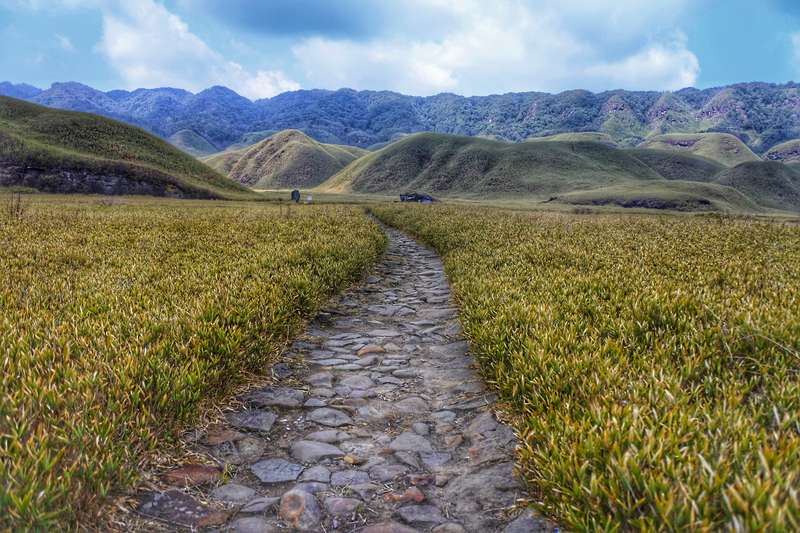
- The Dzükou trek, usually closed; the valley’s streams flood and trails erode.
- Road predictability, landslides close NH-29 and hill roads for hours; buffer days are mandatory.
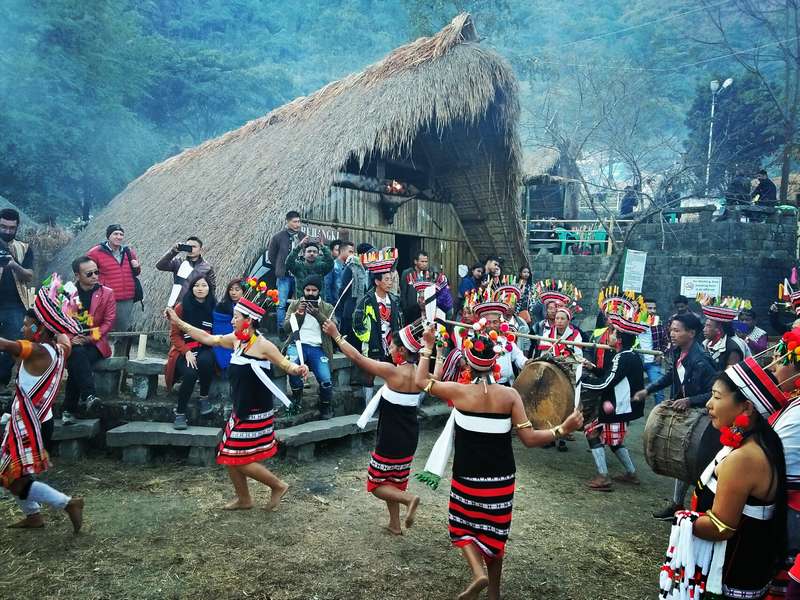
- Festivals, the big ones (Hornbill, Sekrenyi, Aoleang) live in the dry months; monsoon villages rest.
- Views, you trade panoramas for mist and drama.
Who should come
Writers, slow travellers, photographers chasing cloud-and-green moods, repeat visitors who’ve done December and want the state’s other personality. Not recommended: first-timers on tight schedules.
Practical monsoon rules
Rain shell + quick-dry clothes, waterproof bags for electronics, boots, buffers on every leg, and stays chosen for indoor comfort. Check road status each morning; travel between 8am and 3pm where possible.
Green season or festival season, either way, plan it on WhatsApp. We’ll say honestly what your dates allow.
Planning a trip like this?
We build itineraries around your dates, group and budget, a real person replies with an honest price.