Guide · 5 min read
Morung etiquette & Naga customs, what to know before Hornbill Festival
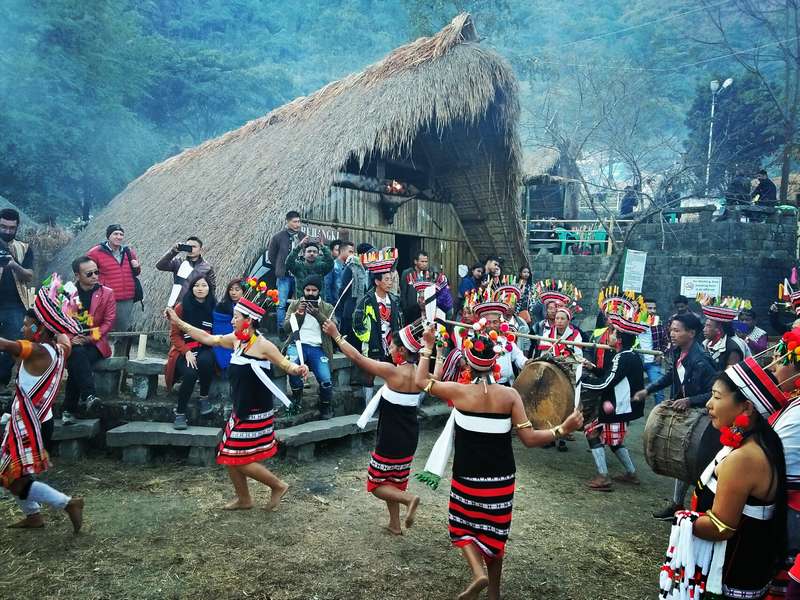
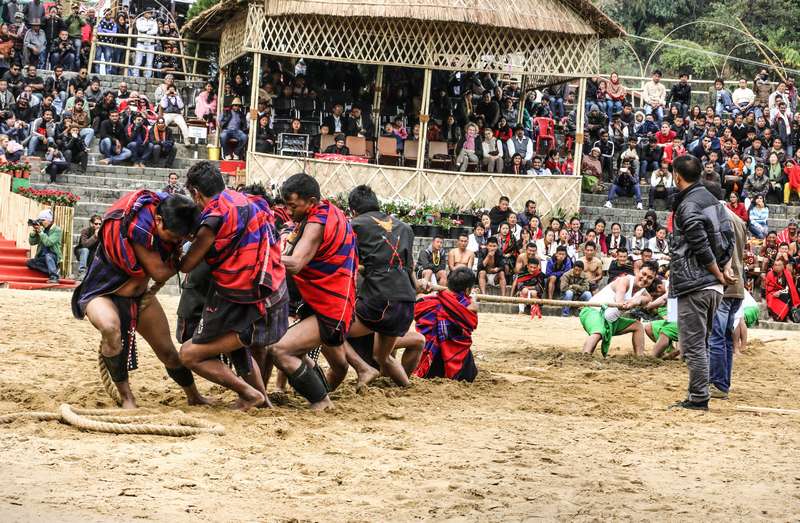
Quick answer: A morung is a tribe’s traditional house, historically the boys’ dormitory where oral history, craft and war-skills passed down. At Kisama, each tribe builds its morung at the Hornbill Festival, making the row of morungs a walking museum of living cultures. The etiquette: ask before photographs, accept the tea, don’t touch regalia, and treat the space as someone’s home, because it is.
What the morung means
In the old Naga village, the morung (bachelor dormitory) was where young men learned songs, folklore, woodwork and warfare under elders; each tribe’s architecture, carvings and drums told its own story. At the festival, every tribe rebuilds its morung in authentic style at Kisama, which is why walking the morung row is the deepest single hour of the festival. The great log drums you’ll see (especially at the Konyak morung) were once the village’s voice, beaten for war, death and celebration.
The feathers and the dresses
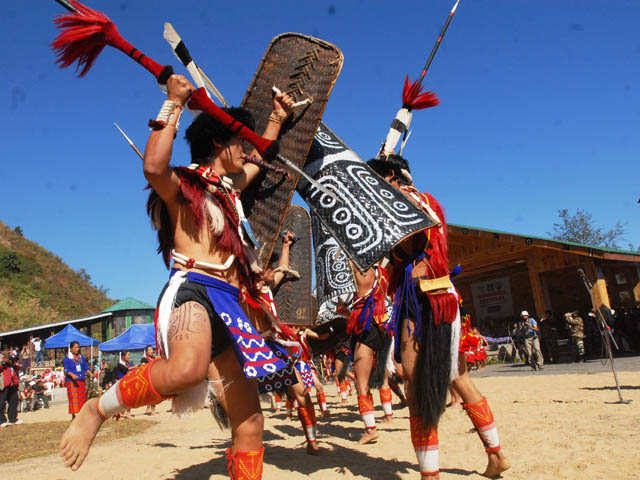
Hornbill feathers on headdresses signal honour, traditionally earned, not worn casually. Red-and-black woven shawls carry patterns specific to tribe and sometimes to rank or deeds; the Sümi, Angami and Ao cloths are recognizably different to a trained eye. When a dancer explains a pattern to you, you’re receiving a compressed history lesson, listen.
Etiquette: the do’s and don’ts
- Ask before photographs, a smile and gesture works; elders may decline (accept instantly).
- Don’t touch weapons, ceremonial objects or regalia unless invited.
- Accept the rice beer or tea if offered, declining politely is fine, refusing outright is cold.
- Take shoes off if you’re entering a house proper, when hosts do.
- Buy at the cooperative stalls, weaves and crafts priced fairly, supporting the actual makers.
- Lower your voice in ceremonies, some arena moments are ritual, not show.
Why “Festival of Festivals”
Nagaland calls Hornbill the festival of festivals because it gathers all the state’s festivals into one arena, every tribe’s new year, harvest and spring celebrations compressed into ten days. Once you’ve seen a mini version in a village (Moatsü, Aoleang), the scale of Kisama makes sense.
Come with curiosity, leave with addresses. Plan the trip on WhatsApp, packages from ₹3,999.
Planning a trip like this?
We build itineraries around your dates, group and budget, a real person replies with an honest price.